Most Marco Island buyers walk into a June-through-November contract braced for the wrong fight. They expect the seawall report to be the drama, or the appraisal, or maybe a slow HOA estoppel. Those are real. They are not what kills a summer closing.
What kills a summer closing is a National Hurricane Center advisory posted at 5:00 a.m. on a Tuesday, naming a tropical depression somewhere east of the Windwards, and a wave of Florida carriers pulling their pens back within the hour. If your homeowners, wind, and flood policies were not already bound before that advisory hit, your lender will not fund. The transaction sits, frozen, until the storm passes and the moratorium lifts. That can be three days. It can be ten. And if a second system is on the map behind the first, it can be most of a month.
The Item Actually Running the Clock
Once a storm has been named by the National Weather Service, insurance companies will no longer bind insurance policies, which means a lender will not allow you to close on that property. That single rule, restated across every Florida carrier's binding guidance, is the mechanism that reorders a summer closing.
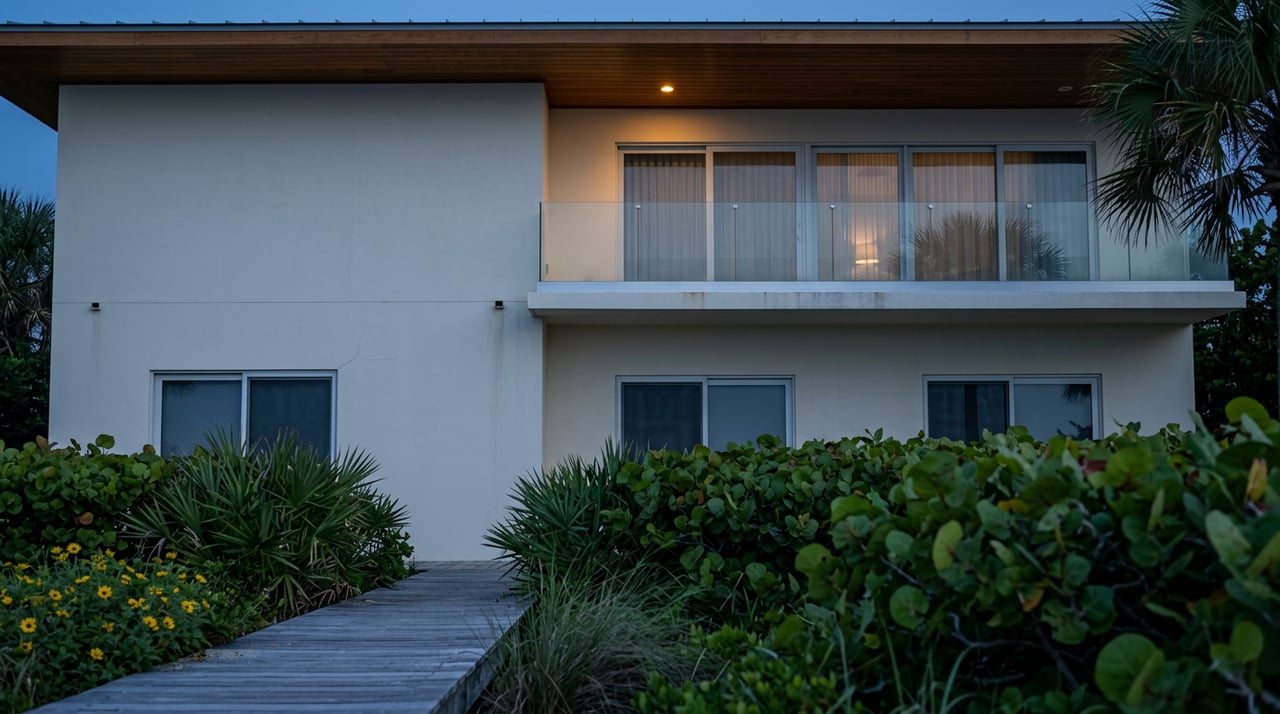
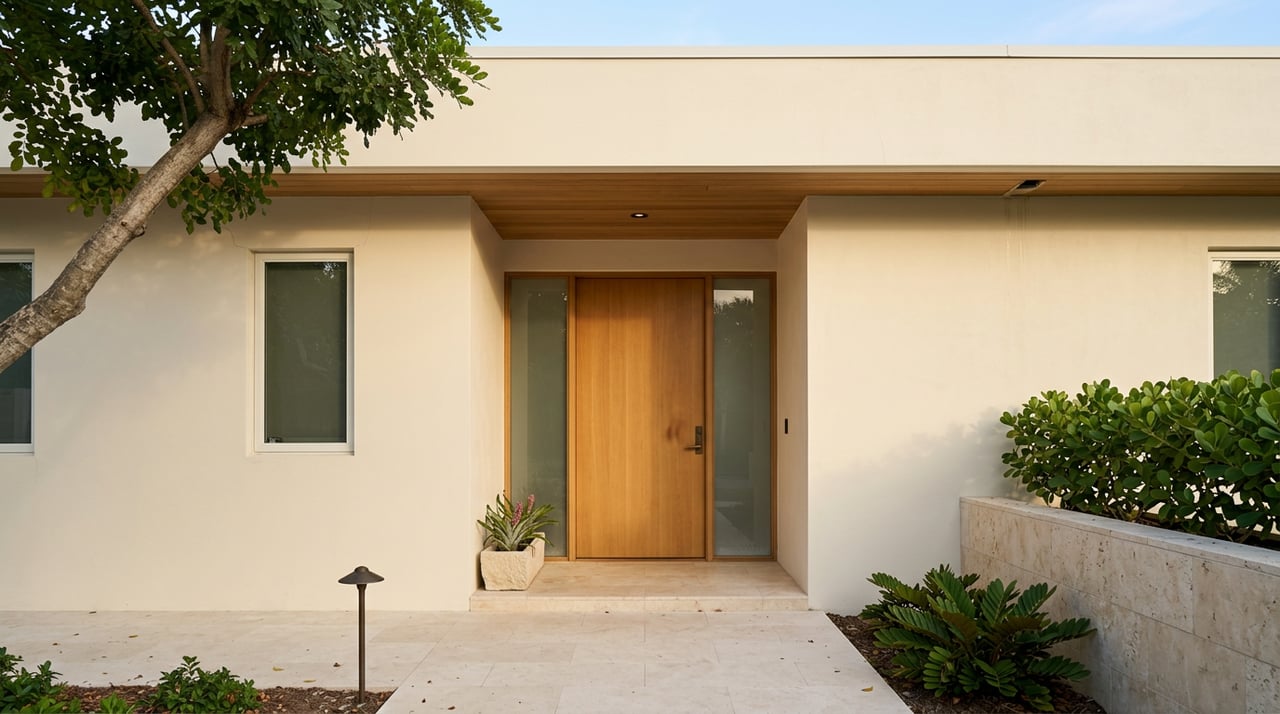
The corollary is the one that catches out-of-state buyers hardest. NFIP flood policies cannot be bound with less than 30 days before coverage is effective. On a Marco Island waterfront home, flood coverage is not optional. As a low-lying barrier island, Marco carries real flood and surge exposure, and flood insurance is effectively a given on waterfront property. The most important numbers on the home are often its flood zone and elevation, and the features that protect it, impact-rated windows and doors, roof-to-wall connections, and an elevated foundation.
Read those two facts against each other. A typical Marco contract runs 30 to 45 days. If you order flood insurance the day inspections clear, you are already inside the 30-day NFIP window, and any named storm that forms during that window can push your effective date past your closing date. The insurance order has to move to the front of the timeline, not the back.
What "The Box" Actually Does to a Contract in Progress
Marine insurers and property insurers both use the word "box" for the geographic area where storm rules bite hardest. On the property side, the rule is blunter than most contracts anticipate:
Binding Suspension Rule: No application for new coverage or endorsement for increased coverage may be bound, written or issued, or monies received, regardless of effective date, when a tropical depression, tropical storm, hurricane watch, or hurricane warning has been issued by the National Weather Service for any part of the state of Florida.
Two words matter there. "Any part." A tropical storm brushing Jacksonville freezes binding on Marco Island. And the specific timing of when Florida home insurance companies choose to suspend the option to secure coverage isn't standardized; each company makes this determination independently. Some carriers pull back 48 to 72 hours before the NHC even names the system, based on their own risk models.
For sellers, the reciprocal risk is a buyer who did not lock coverage in time. Their lender will not fund. Your force-majeure clause and their loan contingency now do work you did not price into the deal.
The Marco-Specific Overlays Underwriters Read
Underwriters do not price a Marco waterfront home the way they price a Golden Gate Estates ranch. On the island, four documents shape the quote and the timeline.
- Elevation certificate. Lenders and carriers both want the number. The City of Marco Island's elevation certificate search lets you pull existing certificates before you order a new survey. If none is on file, budget a licensed surveyor into week one, not week four.
- Wind mitigation inspection. A wind mitigation report documenting any positive features, hip roof, hurricane clips, impact windows, can reduce your premium significantly. On a canal home with 2004-era code upgrades, this single report often determines whether the buyer stays with a private carrier or lands in Citizens.
- Seawall condition. Marco Island has close to 200 miles of seawall, much of it built decades ago, and concrete seawalls have a useful life of only about 30 to 45 years. A lot of the island's walls are now at or past that point, and a seawall replacement is a serious, five-figure-and-up expense. A vendor like Collier Seawall & Dock can produce a low-tide condition report inside a week, but not during a peak-season backlog.
- Open permits. Marco's permit portal is public and searchable. Selling agents who wait until title runs their search find dock, lift, and seawall permits that were never closed out, and they find them the week of closing.
None of these is exotic. What is exotic is treating them as parallel tasks. In a summer contract they are serial. The elevation certificate feeds the flood quote. The flood quote feeds the NFIP effective-date math. The NFIP math feeds the closing date. Skip a link and the chain snaps the first time the NHC names a system.
Sequencing a July Through October Close
The order that works looks something like this.
- Contract week. Order homeowners, wind, and flood quotes the day the executed contract lands. Pull the existing elevation certificate. Request the association's insurance certificate if the property is a condo.
- Inspection week. General inspection, wind mitigation, and a seawall and dock inspection run in parallel. On a canal home, the seawall walk is done at low tide, above water, with a photo report.
- Bind week. Homeowners and wind bind as soon as the inspection reports clear underwriting. Flood binds the moment the 30-day NFIP window supports the target closing date. If a storm is already named, your agent watches the daily Citizens binding alerts, since Citizens Insurance may freeze earlier based on risk models.
- Appraisal and title. These can run behind insurance, not ahead of it. If the appraisal comes in low, you renegotiate price, not policy.
- Clear to close. Confirm every binder is active, every premium paid, and every declaration page delivered to the lender before scheduling the funding call.
Out-of-state buyers should add one wrinkle. Florida authorizes Remote Online Notarization (RON), so many title companies can complete closings fully online. Lender acceptance of RON is not universal. Confirm it at pre-approval, not at clear-to-close, because a mid-storm scramble to move a signing to mail-away is not a scramble you want.
The Deductible Fight That Happens After You Close
Even a clean summer closing leaves one question live. Florida hurricane deductibles do not read the way non-Florida owners assume.
In Florida, the hurricane deductible, 2 to 10 percent of dwelling value, applies only when the NHC officially designates the storm a hurricane. Damage caused by the same system while it is classified as a tropical storm, or after it has been downgraded, is subject to your standard all-peril deductible. In practice, this means homeowners sometimes fight with insurers over whether damage occurred before or after a storm was upgraded to hurricane status.
The number to hold in mind is grim. Florida market data shows that after recent named storms, 68 percent of residential claims and 73 percent of commercial claims were closed without payment, per Insurance Claim Recovery Support's 2026 hurricane season analysis. That is not a comment on the merits. It is a comment on documentation. On a waterfront home you just closed on, the pre-closing inspection photos, the elevation certificate, and the wind mitigation report are the evidentiary spine of any future claim. Save them somewhere your out-of-state family can find them.
One more filing deadline sellers hand off casually and buyers should not. Under Senate Bill 2-A passed in December 2022, you have 1 year from the date of loss to file the initial notice of claim for hurricane and windstorm damage in Florida. Supplemental claims have an 18-month deadline. The lawsuit-filing deadline is 2 years from date of loss.
FAQ
Can I close on a Marco Island home while a hurricane is in the Gulf? Sometimes. If homeowners, wind, and flood were all bound and paid before the moratorium started, and the lender has the declaration pages, funding can proceed. If any coverage was still pending, the closing waits until the moratorium lifts.
Is a private wind policy better than Citizens for a waterfront home? It depends on the wind mitigation report and the elevation number. On a well-built, elevated canal home with impact glass, private carriers are usually competitive. On older, non-upgraded stock, Citizens is often the only pen willing to write, and the depopulation program can reshuffle the file within a year.
Do I need a new elevation certificate if one is already on file? Not always. If a certificate exists in the city's public search and the structure has not been substantially altered, most surveyors will re-certify without a full new survey, which saves time in the front week of the contract.
What is the single fastest way to lose a summer closing? Ordering flood insurance after the appraisal comes back. By then the 30-day NFIP window is working against you, and the next name on the storm list is not.
Buying or selling a Marco Island waterfront home between June and November is a sequencing exercise more than a price negotiation. Get the order right and a named storm becomes weather you watch, not a wall you hit. The Sprigg Group works this calendar every season from Rose Marina, and we build closing timelines that treat the insurance binder as the critical path it actually is. Create Your Paradise. Start Your Waterfront Search.