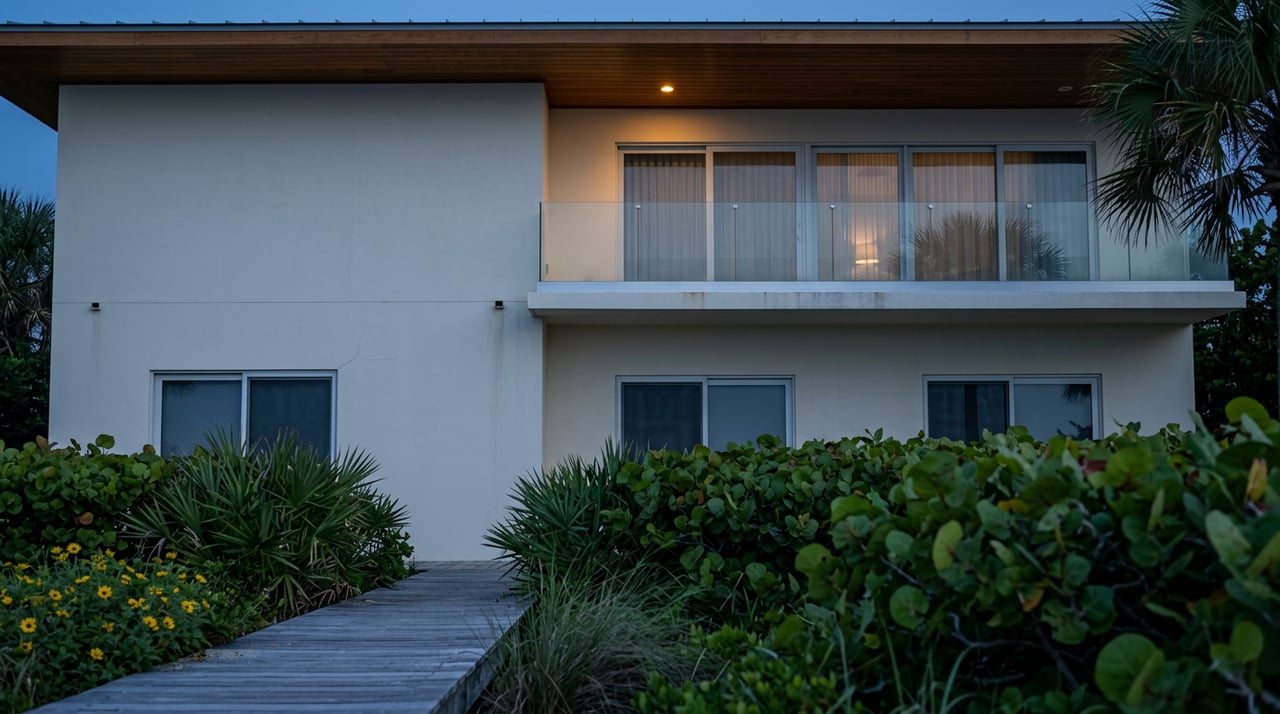
By early July, the stakes and pink flagging tape have become part of the beach vocabulary again. If you walk South Marco Beach at first light, you can read the season in the sand: a fresh crawl track scored above the tide line, a monitor's stake driven where the eggs were laid, the caution tape strung wide enough to keep a beach chair well clear. This is the part of the summer the resort brochures never quite explain, because it belongs to the people who live here.
What is different in 2026 is not the ritual itself. It is the argument the island just had about it, and the number that started the argument.
The 86 Percent That Started The Argument
Every May, the Collier County Sea Turtle Protection Program publishes an annual report, and this year's edition landed on the City Council's desk in a way earlier editions did not. Across the county, monitors counted 2,164 nests and 2,527 false crawls in 2025, up from 1,746 nests and 2,130 false crawls in 2024. Marco Island's slice was 118 nests and 309 false crawls, compared with 95 and 230 the year before. Set against three-year trends, false crawls on Marco are up roughly 86 percent.
A false crawl is what monitors call it when a female loggerhead hauls herself out of the Gulf, decides something on the beach is wrong, and returns to the water without laying. The city's baseline expectation, per its own sea turtle page, is that Marco's roughly four miles of beach carry an average of around 80 loggerhead nests per year. The 2025 count sits well above that. So does the count of turtles who tried and turned back.
That second number is the one residents should sit with. Nesting is up, and the number of aborted attempts is up faster. Something on the beach at night is telling more turtles to leave.
What The Council Actually Decided On May 5
Councilor Bonita Schwan, who lives at Cape Marco overlooking Marco Island South Beach, spent the winter drafting an ordinance to address it. On second reading in early May, the proposal would have banned beach fishing from 9 p.m. to 9 a.m. during nesting season and, in an earlier version, required a permit for groups of ten or more on the beach at night. The trigger was viral video of onshore shark fishing off the south end and the crowds it was drawing.
The ordinance did not pass. It did not even get a motion. Two things happened in the same meeting.
- Schwan amended out the group-permit section, narrowing the ordinance strictly to nighttime fishing.
- Dr. Thomas Reinert, FWC's South Region director, told the council that under Amendment 2, which nearly 70 percent of Florida voters passed in 2024 to enshrine a constitutional right to hunt and fish, the ordinance was likely unenforceable. FWC, he reminded councilors, has sole jurisdiction over fish and wildlife.
Council Chair Darrin Palumbo withdrew the motion. Vice Chair Rene Champagne said the answer was to enforce the rules already on the books rather than write new ones. The takeaway for residents is not that the shark-fishing debate is over. It is that the enforcement lever for this summer sits with FWC and with the existing city code, not with a new curfew.
The Rules That Are Still Doing The Work
Ordinance 22-03 establishes a sea turtle lighting district that runs from Cape Marco at the south end all the way to Hideaway Beach at the north. Inside that district, any light visible from the beach is regulated. If your unit faces the Gulf between those two points, that is you.
The habits that go with it are the ones the Community Association Managers of Marco Island reminds owners about every May. After 9 p.m., exterior balcony lights off. Curtains and blinds drawn. Beach chairs, tents, and holes filled or removed from the sand. On the commercial stretch, Boucher Brothers, the beach concession behind most resort setups, breaks down the entire main beach every evening by 6 p.m., pulling chairs, umbrellas, cabanas, trash cans, volleyball nets, and podiums off the sand and staging trailers across the street. A closing manager sends photo documentation to management once the beach is clear.
After 9 p.m., the Marco Island Police Department generates a Nightly Beach Report cataloging what officers see on patrol. That is the mechanism the council pointed to when it declined to add new law. If you live inside the lighting district and want to know what enforcement looks like this summer, the report is where it happens.
A few specifics worth internalizing if you have not already:
- Section 54-151(c)(3) requires that moveable objects, including personal watercraft, bikes, and boats, be removed between 9 p.m. and 8 a.m. or before daily monitoring, whichever comes first.
- Nothing man-made is permitted within 25 feet of a marked nest.
- Section 54-153 restricts construction activity during nesting season, which matters if you are planning any beachfront exterior work in the next four months.
- Section 54-87 restricts vehicles on the beach during the season.
None of this is new for 2026. What is new is that residents just watched their council decide the existing framework is what they are going to lean on.
The Second Half Of The Season Is The Hatchling Half
Nesting on Marco runs May through early August. Incubation is roughly 60 days. That math puts the first hatchlings emerging in early July, with the emergence window running through the end of October. If you have owned here more than a season, you already know the pattern: nests laid in mid-May are hatching right now.
Hatchlings orient by moonlight reflecting off the Gulf, which is why the lighting district exists. A single balcony light left on, a phone screen aimed toward the water, a flashlight scanning the sand, any of these can pull a nest of hatchlings inland toward a pool deck or a road. The 86 percent false-crawl jump suggests adult loggerheads are already sensitive to what is happening on Marco's beaches after dark. Hatchlings have even less margin.
The city's guidance for boaters is worth carrying into July as well. Stay 50 yards clear of a sea turtle in the water. Cut speed near one. If a turtle surfaces near your boat, put engines in neutral and let it move. The vessel-strike loss on the Sanibel-Captiva side earlier this season, a tagged loggerhead named Pat Benatar who had been part of the night-tagging program since 2023, is a reminder that the boating community has as much day-to-day influence on the count as the beach community does.
Where Residents Actually See This Play Out
Nests are marked and easy to spot on almost any stretch of the four miles of beach, but two areas are worth knowing.
The south end, from Cape Marco through South Marco Beach, is where the visible density is highest and where the shark-fishing conversation has been loudest. This is the stretch Schwan lives above and looks down on. If you walk here in the early morning, you are likely to see a fresh crawl track, a monitor doing intake on a new nest, or both.
The north end of the lighting district runs up through Hideaway Beach. The private nature of parts of that stretch means enforcement of the lighting rules there is largely on the associations. If you sit on a Hideaway board this year, the false-crawl number and the council's decision are relevant to how you handle exterior lighting compliance for the next four months.
For everyone else, the practical resident calendar looks like this. Through July, the marked nests you see are still incubating. By late July, expect emergence to begin, which is when the lighting discipline matters most. Through August, nesting activity continues to taper. September and October are hatchling months almost exclusively.
If you find a stranded, injured, or disoriented turtle on the beach or in the water, FWC's 24-hour Wildlife Alert line is 1-888-404-3922. That number matters more than any city ordinance the council might pass or decline to pass. It is what actually gets a turtle back into the water.
Why This Matters Past The End Of The Season
The through line is simple. Marco spent five months debating whether the answer to a 309-false-crawl year was a new law or better use of the ones already written. It picked the second option. What that means for anyone who owns here, and especially anyone who owns inside the lighting district, is that the compliance work individual owners and associations do this summer is the compliance work.
There is no new curfew coming. There is a report, an ordinance, an FWC hotline, and a beach the whole island shares from May through October. That is what the 2026 season looks like from the inside.
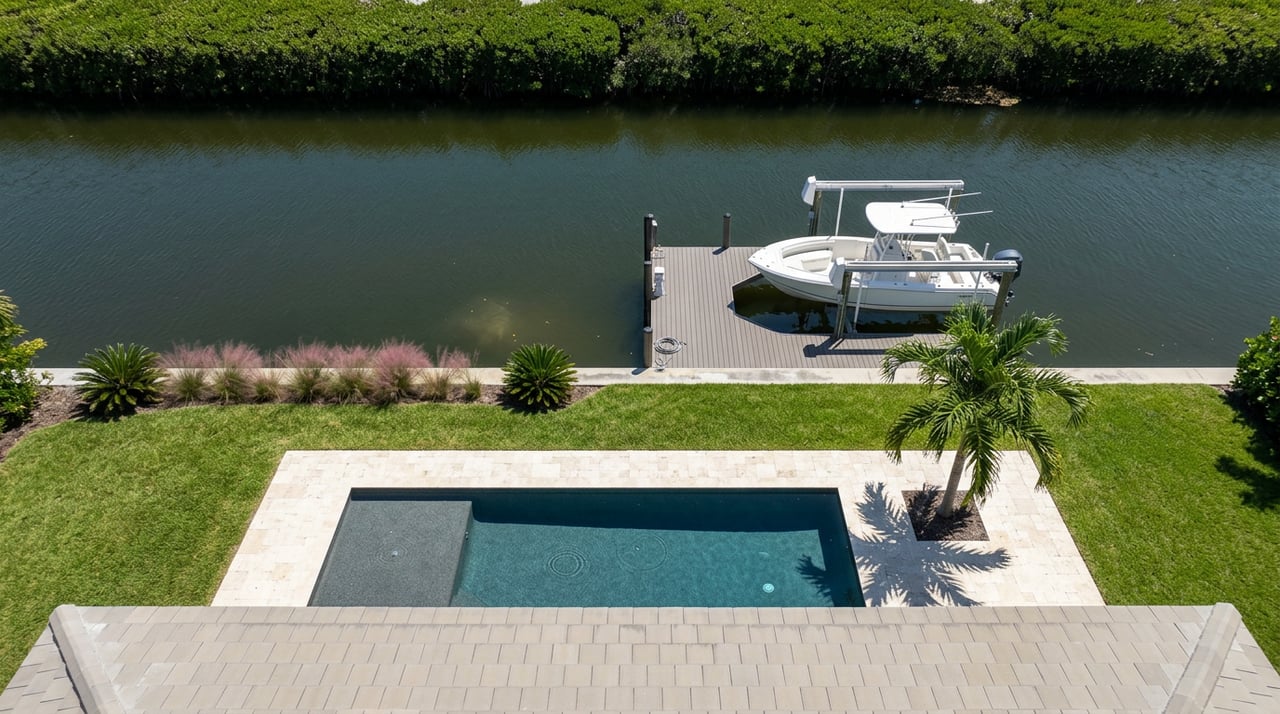
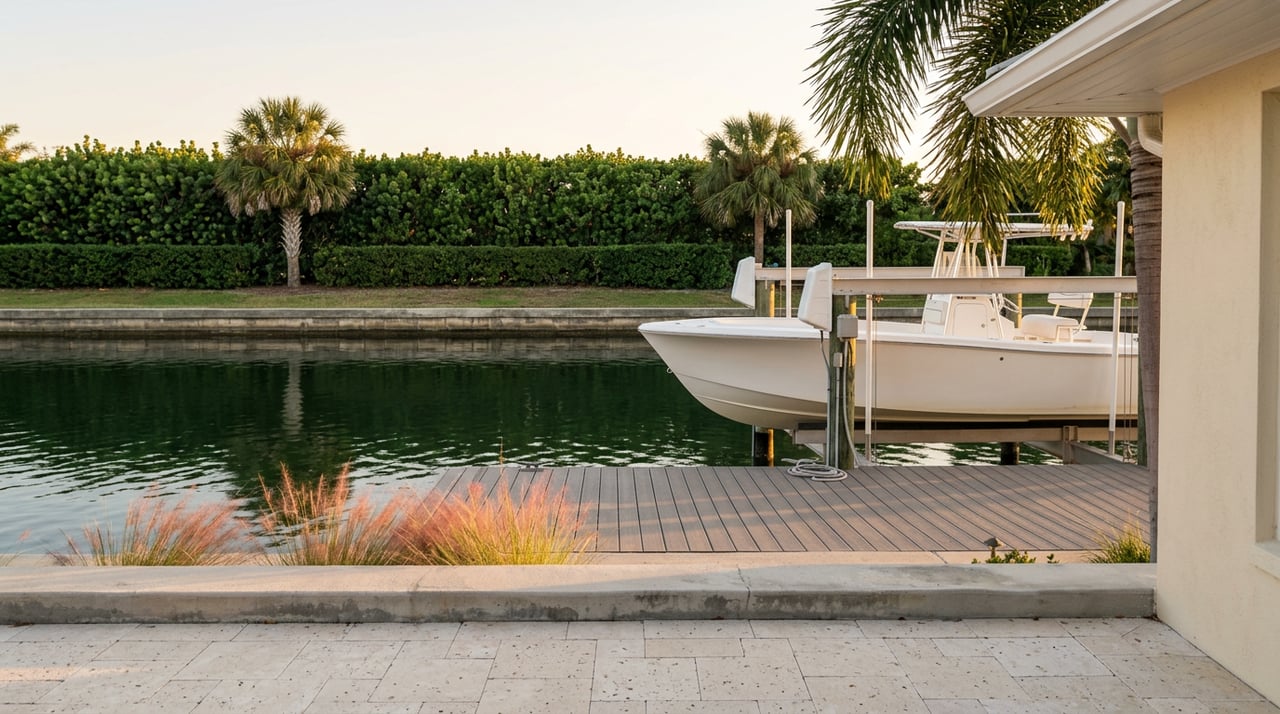
If you are thinking about a Gulf-facing purchase, a Hideaway or Cape Marco sale, or a slip decision that puts you closer to nesting waters this fall, the team at The Sprigg Group knows how these rules sit inside HOA governance, marina rules, and closing timelines. Create Your Paradise — Start Your Waterfront Search.