If the calendar says snook season reopened today, why did half the boats pulling out of Calusa Island Marina this morning have their livewells stocked with pinfish and their captains pointed toward the mangroves instead of the passes?
September 1 is the date every angler on Marco Island circles. It's the day the Gulf coast's summer snook closure lifts and keeping a legal fish stops being a citation and starts being dinner. It's a real date with real teeth behind it. But treating it as the start of the season's best fishing misses what's actually happening in the water this week, and it's the kind of gap that separates someone who checked a regulation website from someone who's fished these creeks for twenty years.
The Date Everyone Circles
Florida closes snook harvest on the Gulf side every summer to protect the spawn. During that stretch, snook aren't gone. They're staged near the passes and beaches doing exactly what they're supposed to be doing, and anglers keep catching them on light tackle all summer long. They just have to let them go. Local captains working the Marco Island passes described the fish this way as August wound down: still around the inlets, still hitting a well-placed lure, still off limits at the cooler until the calendar turned.
Today that changes. A keeper snook caught off a Marco Island dock or a Ten Thousand Islands creek mouth is legal again for the first time since spring.
But the Fish Aren't Reading the Calendar
Here's the part that trips up anyone new to the water. A regulation lifting at midnight doesn't mean the fish flip a switch. Snook coming off a summer of spawning are recovering, not peaking. The behavior local guides describe for these same fish in late August, still working the passes and adjacent bays finishing up their spawn, doesn't turn into aggressive, storm-the-flats feeding overnight just because September 1 hits the calendar. Multiple local sources place the real snook aggression later in the fall, specifically October and November, a full one to two months after the legal reopening.
That gap between the legal date and the good date is the whole story most visitors miss. Someone planning a trip around "snook season opens September 1" is booking the slow part. Someone who lives here knows the loud version of this fishery is still six weeks out.
What's Actually Biting This Week
So if snook are still finding their feet, what's pulling boats out of the marinas right now?
Redfish. Two separate seasonal breakdowns of Marco Island fishing point to the same window: redfish schooling on the flats from August through November, with September and October named specifically as one of the two best stretches of the entire year, the other being April and May. That's not a coincidence of timing. It's the actual answer to what's biting on Marco Island in early September, and it's a different fish than the one getting all the calendar attention.
Tarpon tell a similar story from the other direction. The migratory adult run, the hundred-pound fish that roll along the beaches and draw anglers from out of state, moves through these waters May through August, pushing north along the coast past Marco Island and Keewaydin Island toward Naples. By September that show is largely over. What's left behind are the juvenile tarpon that live in the backcountry creeks year-round, a smaller and more technical fish that rewards patience and a quiet approach rather than a dawn run to the beach.
Add mangrove snapper, which sit on structure in the backcountry regardless of season, and the picture of early September on Marco Island looks nothing like the "snook season is open" headline suggests. It's a redfish and backcountry month wearing a snook-season costume.
Where the Boats Actually Go
The geography explains why locals default to the backcountry instead of the beach this time of year.
East of Marco Island sits the Ten Thousand Islands National Wildlife Refuge, more than 35,000 acres of mangrove estuary that functions as a nursery for snook, redfish, tarpon, and mangrove snapper alike. Calusa Island Marina, on the eastern side of the island, is the point locals call the gateway to that entire system, the launch point for backcountry charters heading into water most visitors never see from the road.
North of that system, Rookery Bay connects toward Naples. South, the mangroves give way to the wilder edges around Everglades City and Chokoloskee. And tucked into the island's southern edge, Goodland keeps its identity as a working fishing village rather than a resort stop, the kind of place that gets named alongside Marco Island and Naples as a departure point for Ten Thousand Islands trips precisely because the water there hasn't been dressed up for tourists.
This is the geography that explains the boats heading away from the beach this week. Visitors picture the Gulf front, rolling tarpon, open water. Residents who've watched this transition happen every September point their bows into the mangroves instead, because that's where the fish actually are right now.
The Real September Marker
None of this makes September 1 meaningless. It's still the day a legal snook goes from catch-and-release to catch-and-keep, and that matters if you've spent the summer releasing fish you'd rather have grilled. But for anyone who actually lives on Marco Island and fishes it through the calendar year, the date functions more like a marker of transition than a starting gun. Summer's tarpon show is winding down. The backcountry redfish run that will carry through October is already building. And the snook everyone associates with today's date won't really turn on until the weather cools further into fall.
That's the version of September 1 that doesn't show up in a quick search for "snook season Florida." It shows up in what the boats leaving the marina are actually loaded for, and on Marco Island this week, that's redfish gear, not snook rigs.
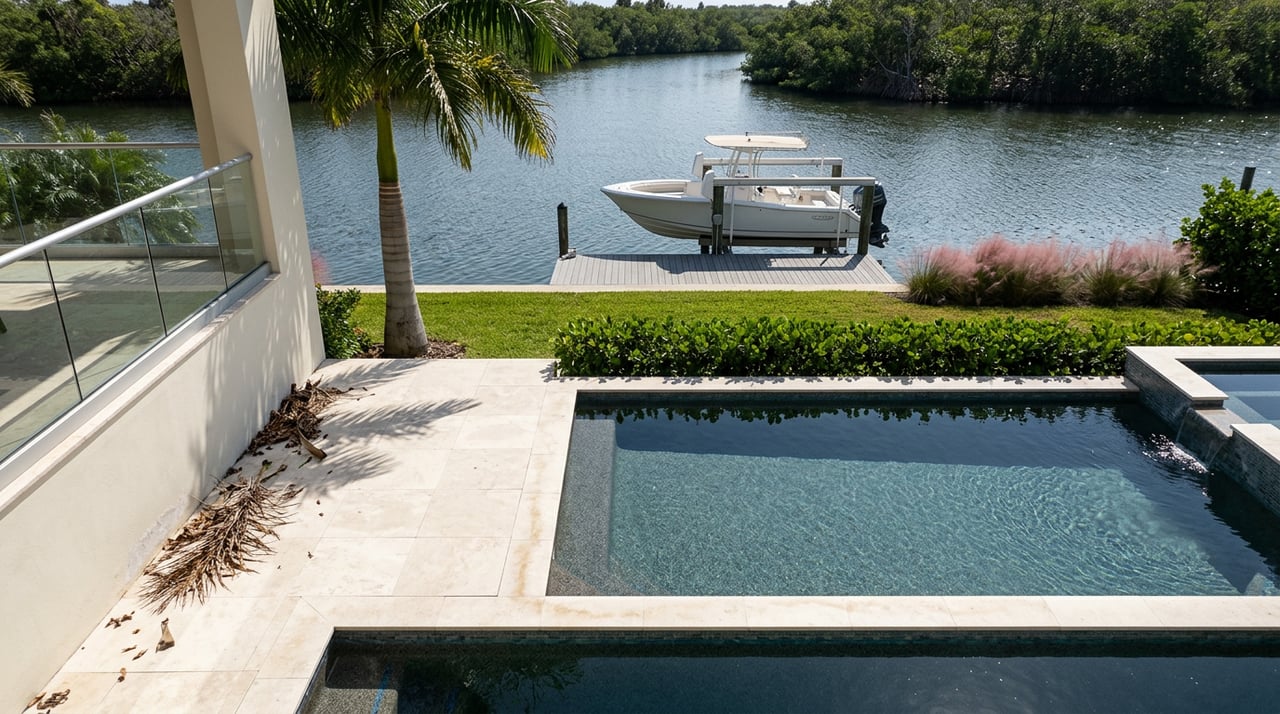
Living here means noticing the difference between the date on the regulation and the date the water actually delivers. It's the same instinct that matters when you're reading a listing for a home on a canal versus one with true backcountry access, or trying to figure out whether a boat slip near Rose Marina puts you five minutes from the Ten Thousand Islands or an hour from open water. The details are what turn a general description into an accurate one.
If you're already living the Marco Island boating life and thinking about what comes next, whether that's a different dock, a bigger slip, or a waterfront property positioned closer to the water you actually fish, The Sprigg Group spends as much time on the marina side of this island as the residential side. Create your paradise. Start your waterfront search when you're ready.