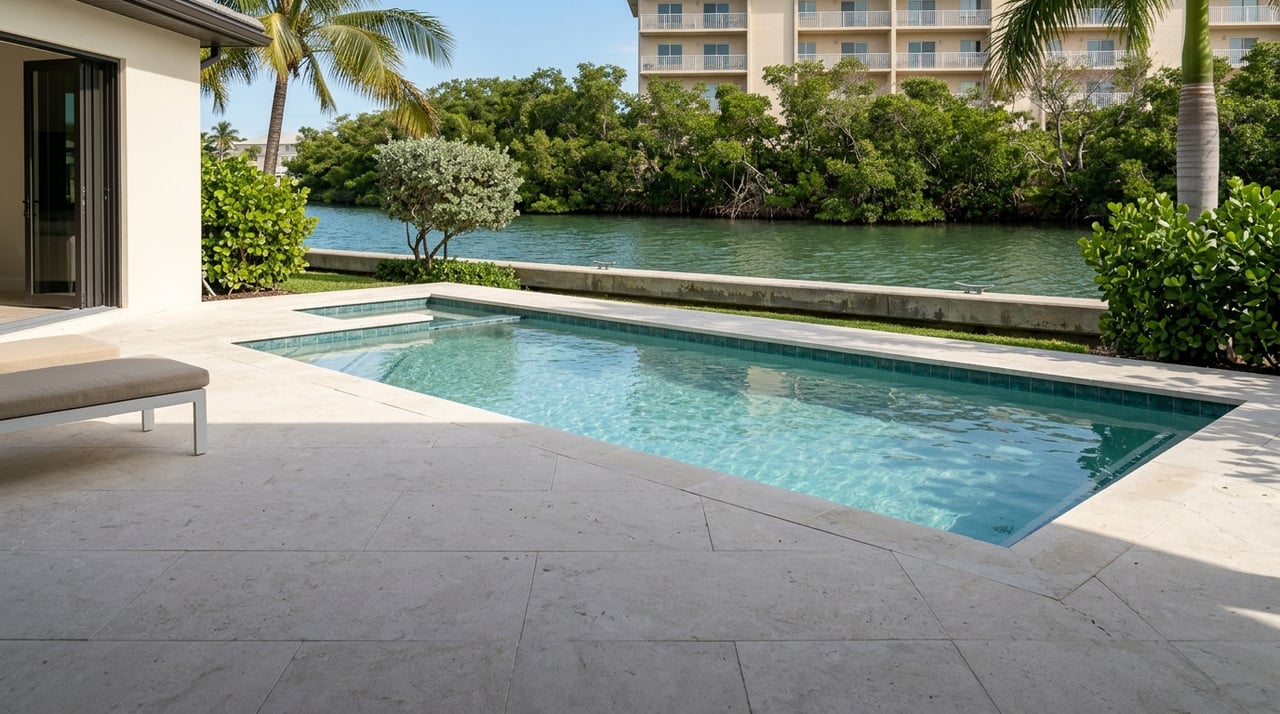
Wondering how long it really takes to sell a Marco Island waterfront home? If you own a property with a dock, seawall, lift, or other marine features, the answer is often longer than a standard list-and-close timeline. In today’s Marco Island market, the smoothest sales usually start months before the home ever hits the market. This step-by-step guide walks you through what to do, when to do it, and how to avoid common delays so you can move forward with confidence. Let’s dive in.
Why Timeline Matters on Marco Island
Selling any home takes planning, but waterfront property adds extra layers. On Marco Island, floodplain requirements, marine improvements, permit records, and boating logistics can all affect how quickly your sale moves from listing to closing.
Current market data also points to a more patient selling environment. Public market trackers show longer days on market and more negotiation room, with Marco Island homes taking roughly 77 to 102 days to go pending or sell depending on the source, and some reports showing homes selling below asking price, such as Realtor.com’s local market data and Redfin’s Marco Island housing market page. For many waterfront sellers, a 6 to 12 month planning window is the smart play.
Six to Twelve Months Before Listing
Start with flood documents
On Marco Island, flood planning is not optional background work. The city states that properties are in, on, or near a special flood hazard area, with Zones AE and VE applying, and notes that the current FIRM effective date is January 1, 2024 on its floodplain management page.
That means you should gather your flood insurance information, elevation documents, and map details early. FEMA also notes through the official Flood Map Service Center resources referenced by the city that most homeowners insurance does not cover flood damage, so buyers often look closely at this part of the file.
Check seawall condition early
If your home has a seawall, make this one of your first pre-listing tasks. The city’s seawall guidance notes that many original Marco Island seawalls are nearing the end of their useful lives or have already been replaced, and that repairs, especially major repairs, require permits.
A buyer, inspector, or appraiser may raise seawall questions later if you do not address them up front. Getting a professional evaluation early helps you decide whether to repair, disclose, or price around the condition.
Pull permit records
Permit history can become a closing issue if you wait too long. Marco Island’s permitting portal information says permit records go back to October 1, 1998, with older records held by Collier County.
This is especially important if you have completed dock work, seawall repairs, lifts, site improvements, or exterior upgrades over the years. You want to know now if the file is complete, not after a buyer is already under contract.
Plan repairs around city timing
If you decide to tackle repairs before listing, build in lead time. The city says on its permitting portal information page that building permits can usually be obtained in 10 to 15 workdays, with some minor projects often approved in about 5 workdays.
That timeline sounds manageable until you add contractor schedules, inspections, and the reality of coordinating marine work. Starting months ahead gives you more control and reduces the risk of rushed decisions.
Six to Eight Weeks Before Launch
Declutter and prep the home
By this stage, your focus shifts from records and repairs to presentation. A waterfront home should feel clean, well cared for, and easy to imagine living in.
According to the National Association of Realtors staging study, 81% of buyer’s agents said staging helps clients visualize life in a home. If full staging is not necessary, practical alternatives include decluttering, professional cleaning, painting, carpet cleaning, and landscaping.
Highlight the waterfront lifestyle
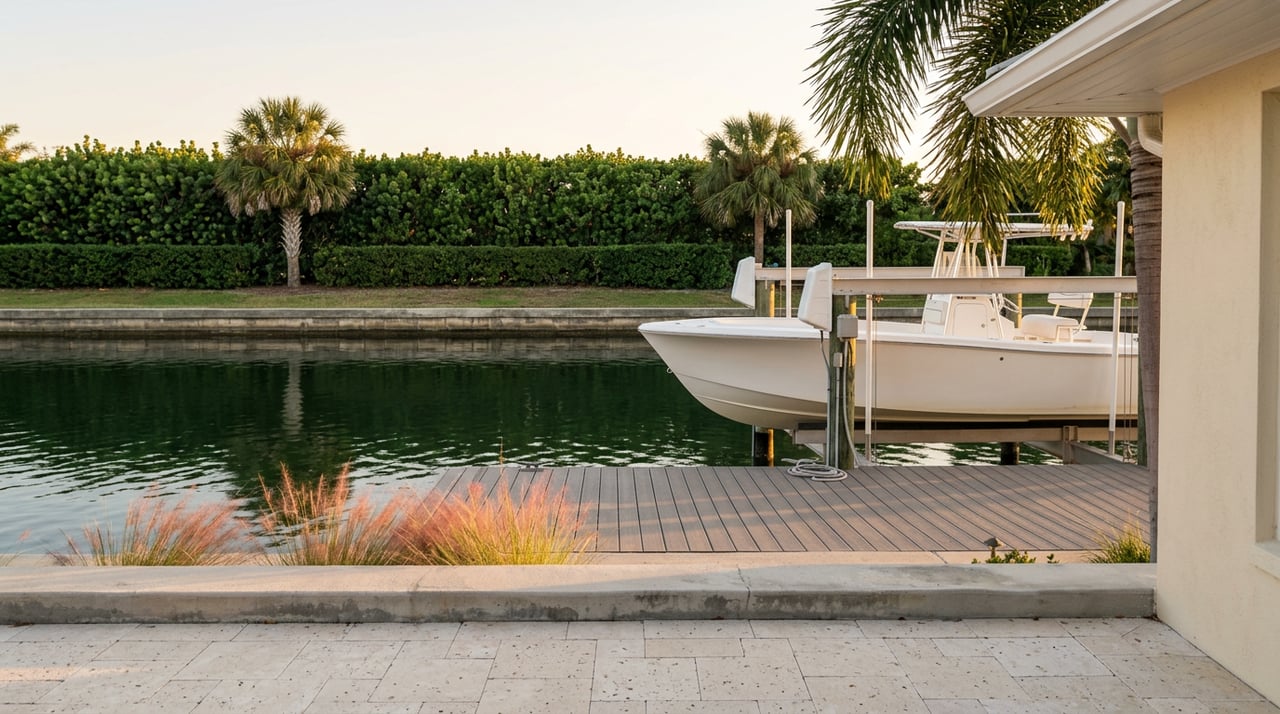
On Marco Island, buyers are not only evaluating square footage and finishes. They are also paying attention to water views, dock setup, access, and how the outdoor space connects to boating and coastal living.
This is where thoughtful preparation matters. Clear the dock area, organize marine equipment, freshen exterior surfaces, and make sure the property shows well from both inside and out.
Prepare strong digital marketing
A waterfront listing often attracts out-of-area and second-home buyers, so your online presentation has to do a lot of work. The NAR 2025 Technology Survey found that 52% of REALTORS use drone photography or video, and NAR also notes that virtual tours help buyers understand how rooms connect and explore a home from anywhere.
For Marco Island sellers, that means professional photography, drone footage, floor plans, and virtual tours should be ready before launch. This is not just a nice extra. It helps remote buyers engage faster and more seriously.
Price for today’s market
Pricing a waterfront home takes discipline, even when the property is unique. In a buyer-leaning market, the best strategy is usually to study recent sold properties and leave room for negotiation instead of assuming buyers will stretch simply because the home is on the water.
Recent public data supports that approach. Realtor.com’s Marco Island market page reported homes selling about 5.65% below asking on average in February 2026, while broader public trackers suggest sale-to-list ratios near 94%.
Launch Week and Active Marketing
Make showing logistics easy
Once your home goes live, execution matters. Showings should feel smooth, organized, and flexible, especially if your property includes a dock, boat lift, or active vessel use.
Marco Island is a true boating community, with 22 miles of shoreline, 290 canals, six large bays, the Marco River, three creeks, and two small islands. The city also notes that many boaters pass under one to three bridges to reach the river or Gulf, and idle-speed or no-wake rules apply in canals, bays, and within 500 feet of seawalls and beaches.
Coordinate around boat access
That local boating setup affects more than recreation. It can influence when photography looks best, how cleanly the dock area presents, and whether vessel movement or wake conditions interfere with showings.
If you keep a boat at the property, plan ahead for how it will be handled during photos, tours, and inspections. A tidy, accessible waterfront setup can make the home feel easier to own.
Stay ready for remote buyers
Marco Island attracts seasonal and out-of-state buyers, and some may move quickly from a distance. NAR’s May 2025 confidence index found that 6% of buyers purchased a home based only on a virtual tour, showing, or open house without seeing it in person.
That is why live video walkthroughs, responsive communication, and organized digital materials matter so much. The easier you make it for a remote buyer to understand the property, the fewer obstacles stand in the way of an offer.
From Offer to Acceptance
Look beyond price alone
A strong offer is about more than headline number. You also want to evaluate financing strength, timing, contingencies, and how likely the buyer is to stay on track once underwriting, inspection, and title work begin.
NAR’s same confidence index report notes that 27% of buyers had all-cash sales, contracts typically closed in 30 days, 13% of contracts had delayed settlements, and 7% of delayed settlements involved appraisal issues. On a waterfront property, insurance questions and permit history can add even more friction.
Keep documents ready
When buyers ask for flood information, permit records, seawall details, or improvement history, speed matters. The more organized you are at this stage, the easier it is to keep momentum and reassure the other side.
This is one of the biggest advantages of early preparation. Instead of scrambling for answers after inspection, you can respond quickly and keep negotiations focused.
Under Contract to Close
Confirm permit status
One of the most important steps after contract is verifying whether there are any open permits tied to the property. Marco Island’s permitting information page notes that closing agents working to complete a permit should use the estoppel process, and the permit portal allows users to review permits, uploads, and attachments.
For waterfront homes, this can include dock work, seawall repairs, lifts, or site improvements. Open permit issues that surface late can delay closing or create unnecessary stress.
Expect inspection questions
Even a well-maintained home may draw extra scrutiny when it sits on the water. Buyers may ask about seawall age, dock condition, flood insurance, elevation, or previous marine repairs.
That does not mean something is wrong. It simply means waterfront buyers and their lenders often need more documentation, and having those records ready supports a smoother path to the finish line.
Stay proactive through closing
The contract period is where many waterfront transactions either stay on schedule or start to drift. Appraisal follow-up, insurance quotes, permit clarification, and title coordination all move faster when someone is managing details in real time.
That is where a waterfront specialist can make a meaningful difference, especially on Marco Island where floodplain rules, boating infrastructure, and marine improvements are part of the transaction, not side notes.
A Simple Marco Island Seller Timeline
If you want a practical way to think about the process, break it into three phases:
Phase 1: 6 to 12 months before listing
- Gather flood and elevation documents
- Review permit history
- Evaluate seawall and marine features
- Plan repairs with permit timing in mind
Phase 2: 6 to 8 weeks before launch
- Declutter and prepare the home
- Complete staging or cosmetic touch-ups
- Schedule photography, drone media, and virtual tour assets
- Set pricing based on current sold data and market conditions
Phase 3: Launch through closing
- Coordinate showings around boating logistics
- Stay ready for remote buyers
- Respond quickly to document requests
- Monitor permits, inspections, appraisal, and title steps
Selling a Marco Island waterfront home is rarely a plug-and-play process. But when you work from a clear timeline, you can reduce surprises, protect your negotiating position, and present your property with confidence.
If you are thinking about selling in the next 6 to 12 months, The Sprigg Group can help you build a waterfront-specific plan that covers the details buyers notice most, from dock and seawall questions to remote marketing and closing coordination.
FAQs
What is a realistic timeline for selling a Marco Island waterfront home?
- A realistic timeline is often 6 to 12 months from early preparation to closing, especially if your property has a seawall, dock, lift, permit history, or flood-related documents that need review.
What documents should Marco Island waterfront sellers gather before listing?
- You should gather flood insurance information, elevation documents, flood map details, permit records, and any records related to seawall, dock, lift, or site improvements.
Why does seawall condition matter when selling a Marco Island home?
- Seawall condition matters because buyers, inspectors, and appraisers may raise questions about its age, maintenance, or repair needs, and major repairs may require permits.
How should you price a Marco Island waterfront home in a buyer-leaning market?
- You should price using recent sold comparables and leave room for negotiation, since current public market data suggests longer marketing times and sale prices that may come in below asking.
How can remote buyers view a Marco Island waterfront listing?
- Remote buyers can evaluate a listing through professional photography, drone footage, virtual tours, floor plans, and live video walkthroughs, which are especially useful in a market with seasonal and out-of-state demand.
What can delay closing on a Marco Island waterfront property?
- Common delays include open permits, appraisal questions, insurance issues, missing flood or elevation records, and inspection concerns related to seawalls, docks, or other marine improvements.