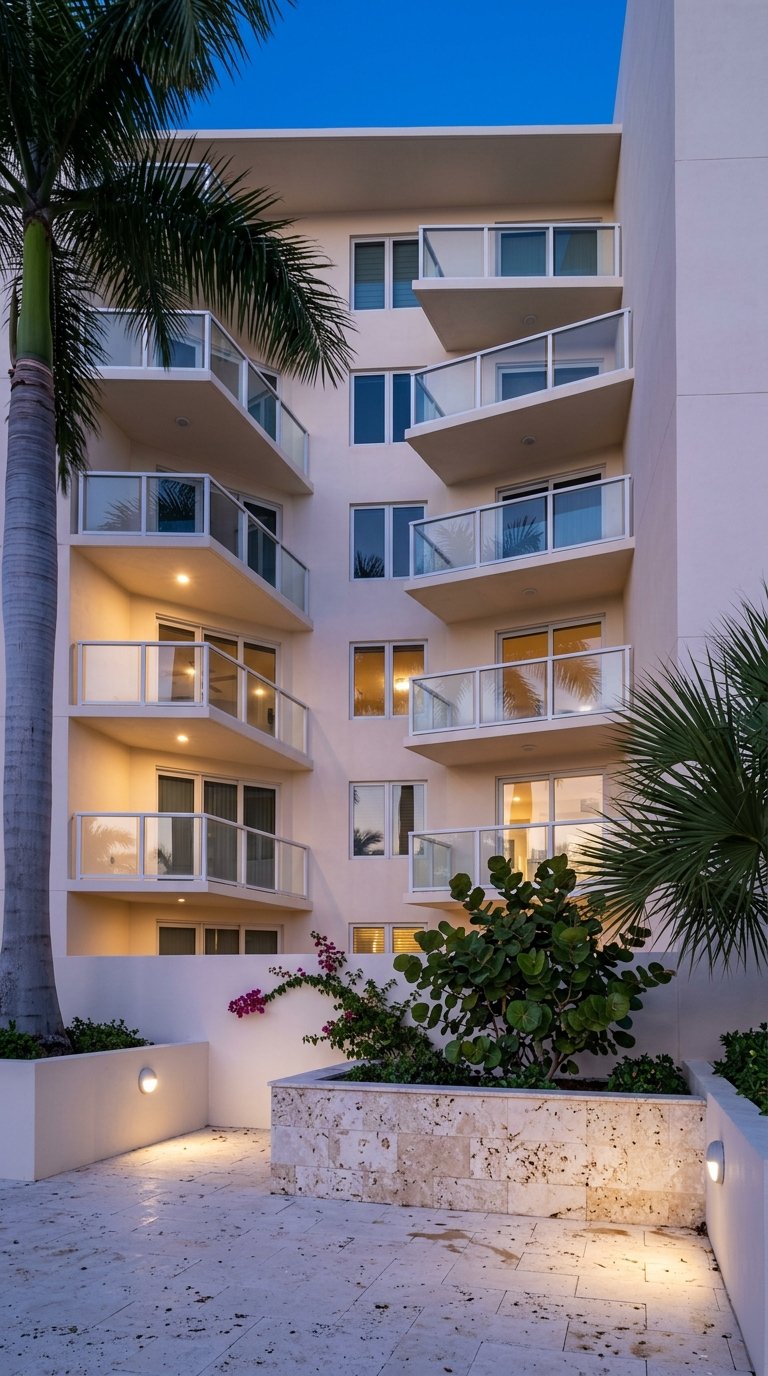
If you picture Marco Island as a simple winter escape, you are only seeing half the story. Seasonal ownership here often means enjoying the busiest, most comfortable months in person, then managing your home carefully from afar through summer heat, rain, and storm season. This playbook will help you think through what seasonal living on Marco Island really looks like, what to prepare before you leave, and how to make your second home feel easier to own year after year. Let’s dive in.
Marco Island has two distinct seasons
Seasonal living on Marco Island works best when you plan for two very different modes of ownership. One is your winter living season, when the island is active and full. The other is your off-season, when your property may sit vacant for weeks or months and still needs attention.
The City of Marco Island describes a year-round population of about 16,521 residents, with peak winter population rising to about 40,000. Census QuickFacts also estimates 16,421 residents in July 2025, reports that 59.3% of residents are age 65 or older, and notes an owner-occupied housing rate of 89.4%. For many second-home owners, that seasonal rhythm shapes everything from utilities and mail to storm prep and association planning.
Weather supports that same pattern. Nearby Naples Municipal Airport climate normals show average highs around 74.8°F in January and 77.2°F in February, while June through September average highs run roughly 89.8°F to 90.9°F. Rainfall is also much lighter in winter, around 1.3 to 1.7 inches monthly, then rises sharply in summer to about 7.4 to 8.9 inches.
That means your ownership strategy should shift with the calendar. Winter is for enjoying the home, the water, and the lifestyle. Summer is for protection, maintenance, and remote oversight.
Build a smart vacant-home routine
A seasonal home runs more smoothly when you use a repeatable checklist before every departure. That matters even more on Marco Island, where summer moisture, heavy rain, and hurricane season can turn small oversights into bigger issues. A clear routine helps you protect the property and reduces surprises when you return.
Start with utilities. The City of Marco Island Water & Sewer customer service team can start or stop water and sewer service, transfer service, answer billing questions, and send bills by email. For seasonal owners, email billing and account management can make the home much easier to monitor from out of town.
Water management deserves special attention. The city says irrigation is the largest water use for single-family homeowners, and malfunctioning irrigation systems are a major source of water loss. It also says Marco Island has a limited water supply and that up to 70% of drinking water is used for irrigation.
Before you leave for an extended period, review your irrigation timer, confirm your rain sensor is working properly, and check for obvious leaks. The city states that a functioning rain sensor is required to temporarily disconnect irrigation during or after rain. It also advises owners who will be away for long stretches to consider turning off the water supply valve to the home or to toilets.
Plan ahead for storm season
If you own a second home on Marco Island, storm prep should never wait until the last minute. NOAA defines Atlantic hurricane season as June 1 through November 30, which overlaps with the period when many seasonal owners are away. Your best protection comes from preparing early, not reacting late.
Collier County says major tree cutting or tree removal should be completed before June 1, ideally between December 1 and April 30. The county also states that once a storm is named or a hurricane warning is issued, no further vegetation trimming or major yard work should begin. If your property needs landscape work, schedule it well before summer.
If you live in a gated or private community, there is another detail to know. Collier County requires an annual Right of Entry and Indemnification form before county debris contractors can enter private communities after a storm. If your home is in one of these settings, it is worth confirming early how your community handles storm access and debris removal paperwork.
A practical storm plan for a seasonal owner should include:
- A pre-season property check
- A clear understanding of who has access to the home
- A plan for shutters or building-specific hurricane procedures
- Up-to-date community paperwork, if required
- A local point person or property manager who can respond if you are away
That last point matters most. Collier County’s guidance emphasizes monitoring local media, the county website, and official channels for debris and recovery updates after storms. If you are out of state, having someone local who can coordinate access, contractors, and next steps can make recovery much faster and less stressful.
Know what your condo or HOA handles
If your second home is a condo, do not assume every building works the same way. Florida law says maintenance of common elements is the association’s responsibility unless the declaration assigns limited common elements to the owner. The same law also says condominium boards must adopt hurricane-protection specifications for each building.
In plain terms, your association may handle some exterior responsibilities, but not all of them. The exact answer depends on the declaration, bylaws, and current rules. DBPR guidance states that a condominium’s official records include those governing documents, which makes them essential reading for any seasonal owner.
Before your first full off-season away, review:
- The declaration
- The bylaws
- Current rules and regulations
- Hurricane protection requirements
- Access procedures for vendors, guests, and service providers
This is especially important if you are buying a waterfront condo or marina-adjacent property with multiple layers of ownership structure. Building rules, dock rules, and access procedures can vary from one community to the next, even within the same market.
Set up mail and records correctly
Mail can become a nuisance quickly if you split your time between homes. Fortunately, the USPS offers two practical tools that fit most seasonal ownership patterns. Hold Mail can pause delivery for a minimum of 3 days and a maximum of 30 days, while a temporary change of address can forward mail to a temporary address for up to 364 days.
That gives you flexibility without changing your permanent address. If you only leave for a short stretch, a mail hold may be enough. If you spend a full season elsewhere, temporary forwarding may make more sense.
It also helps to shift as many accounts as possible to digital delivery. Utility bills by email, online statements, and remote account access can cut down on missed notices and reduce clutter at the property. Since Census QuickFacts reports that 93.7% of households have broadband subscriptions, remote monitoring and online account management fit how many Marco Island owners already live.
Be careful with homestead assumptions
One of the most common second-home questions in Florida is whether a seasonal property qualifies for homestead exemption. In general, Florida’s homestead exemption is for a permanent residence, not a second home. If Marco Island is your seasonal property, you should be careful not to assume you qualify.
The Florida Department of Revenue says a property becomes ineligible if it is rented, is no longer the owner’s permanent home, or the owner is no longer a permanent Florida resident. It also states that the application is filed with the county property appraiser by March 1. Collier County’s property appraiser page also describes homestead as a permanent-residence benefit and says new applications must be filed by March 1.
The state notes that proof may include items such as a Florida driver license or ID, vehicle registration, voter registration, declaration of domicile, bank statement mailing address, and utility payment records tied to the homestead address. If you are buying a second home on Marco Island, treat tax status as a separate planning item and verify it early.
Check flood details before you buy
On Marco Island, water is part of the appeal, but it also needs to be part of your due diligence. FEMA states that flood insurance is a separate policy, and a federally backed mortgage in a high-risk flood zone generally requires flood coverage. That makes flood-zone review an important step for many second-home buyers.
FEMA’s Flood Map Service Center is the official source for checking flood hazard maps. The City of Marco Island also links flood-zone information and elevation-certificate resources through its utility pages. If you are comparing homes, condos, or waterfront properties, flood-zone details should be reviewed alongside the lifestyle features you care about most.
For buyers focused on boating access, canals, docks, or marina proximity, this step becomes even more important. A beautiful waterfront fit should also be a practical fit for your risk tolerance, insurance planning, and long-term ownership goals.
Stay connected when you are away
A second home feels easier to own when you stay plugged into the island, even from a distance. Marco Island provides several ways to do that, including a city events calendar, key community contacts, a mobile app, utility communications, and CodeRED alerts. These tools can help you keep an eye on both everyday updates and more urgent situations.
Community connection matters for more than convenience. It helps you know when seasonal events are picking up, when city updates are posted, and how to track information during storm recovery periods. For many owners, staying informed is part of feeling confident about leaving and returning.
If your property is part of a boating lifestyle, remote ownership may also involve slip access, marina coordination, or building procedures that need local attention. That is where working with professionals who understand both waterfront real estate and the practical rhythm of island ownership can save you time and friction.
A second-home plan should fit your lifestyle
The best seasonal ownership plan is not just about protecting a house. It is about making sure your Marco Island property supports the life you want when you are here and stays manageable when you are not. That could mean a low-maintenance condo, a waterfront home with a detailed storm checklist, or a marina-connected property that keeps boating close at hand.
When you choose the right property and prepare for the off-season thoughtfully, seasonal living becomes much more enjoyable. You can spend more time looking forward to your next stay and less time worrying about what may be happening back at the home.
If you are thinking about a second home, waterfront condo, or marina-connected property on Marco Island, The Sprigg Group can help you navigate the details with local insight and concierge-level guidance.
FAQs
What does seasonal living on Marco Island usually look like?
- For many owners, it means living on the island during the busy winter season and managing the home remotely during the hotter, wetter summer and hurricane months.
What should Marco Island second-home owners do before leaving for the season?
- A strong departure plan often includes checking irrigation, reviewing for leaks, considering water shutoff steps, confirming email billing, and making sure storm-season preparations are in place.
How do Marco Island condo owners know what the association maintains?
- You should review the condominium declaration, bylaws, and current rules because maintenance responsibilities and hurricane procedures can differ by community.
Can a Marco Island second home qualify for Florida homestead exemption?
- Florida homestead exemption is for a permanent residence, so a seasonal or second home generally should not be assumed to qualify.
Why is flood-zone review important for Marco Island buyers?
- Flood-zone details can affect insurance needs and ownership costs, especially for waterfront properties or homes in higher-risk areas.
How can seasonal owners stay informed while away from Marco Island?
- Owners can use city updates, utility communications, CodeRED alerts, and other local information channels to monitor community news and storm-related updates remotely.