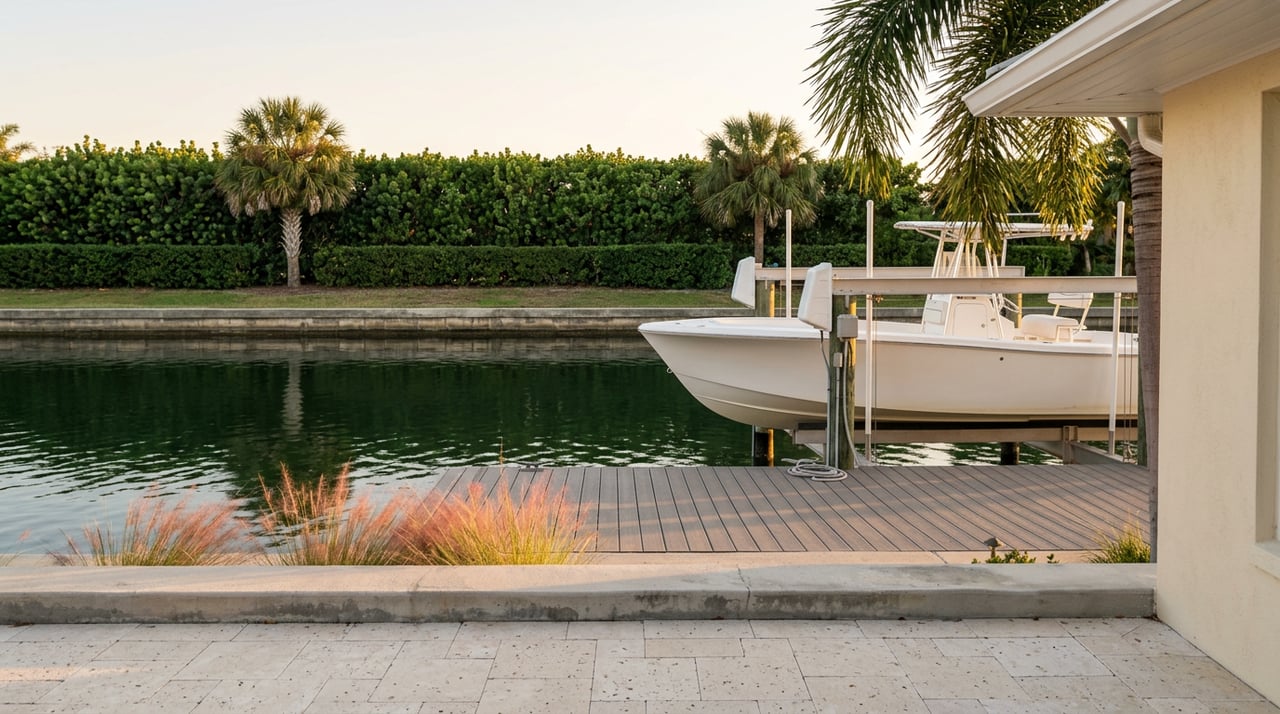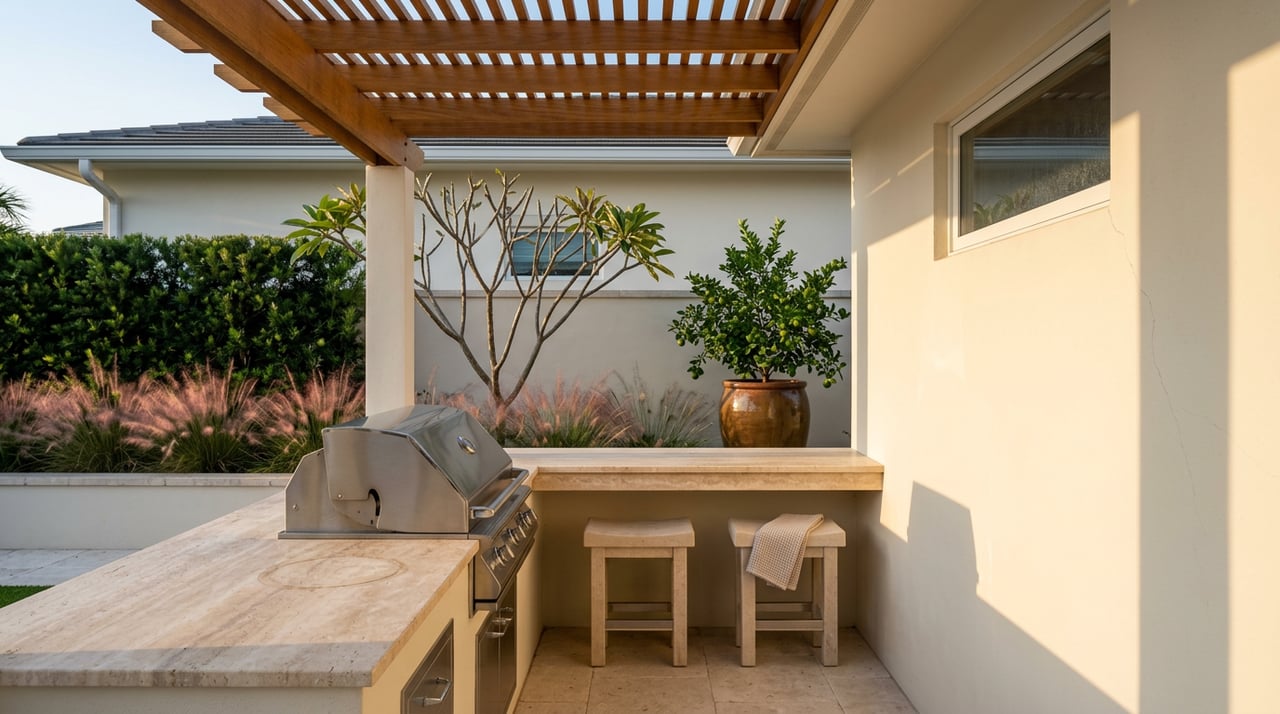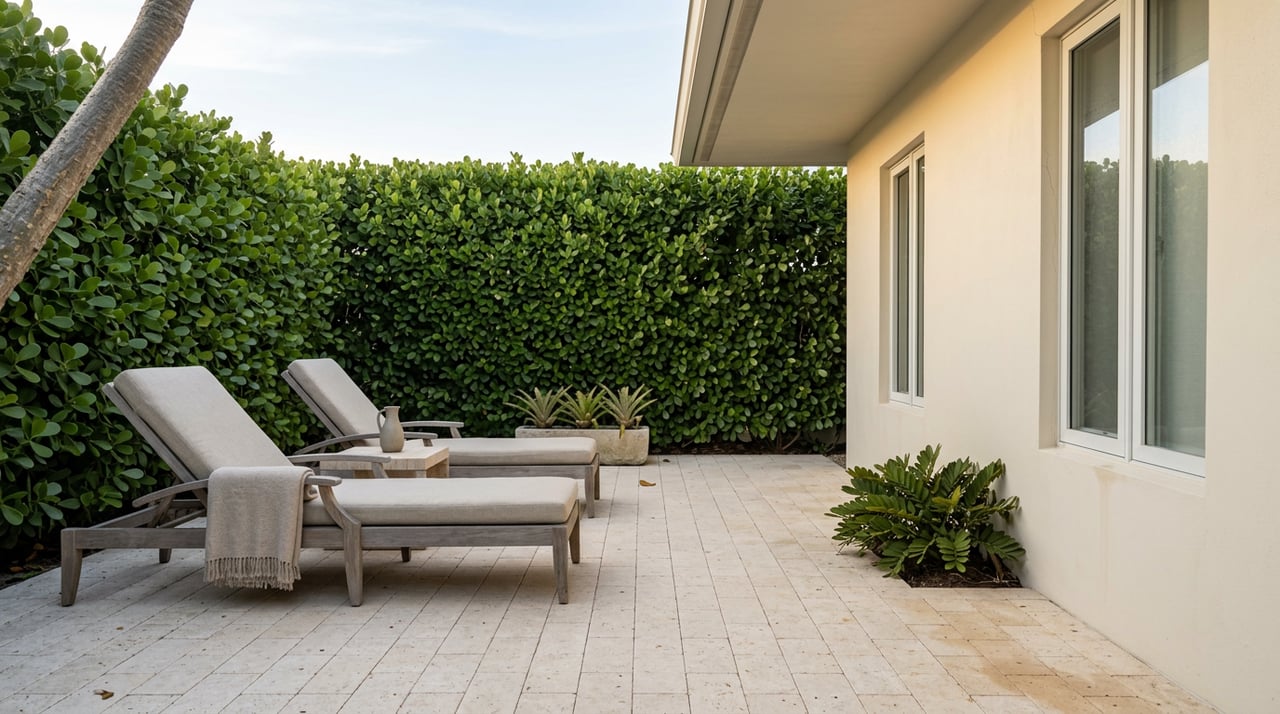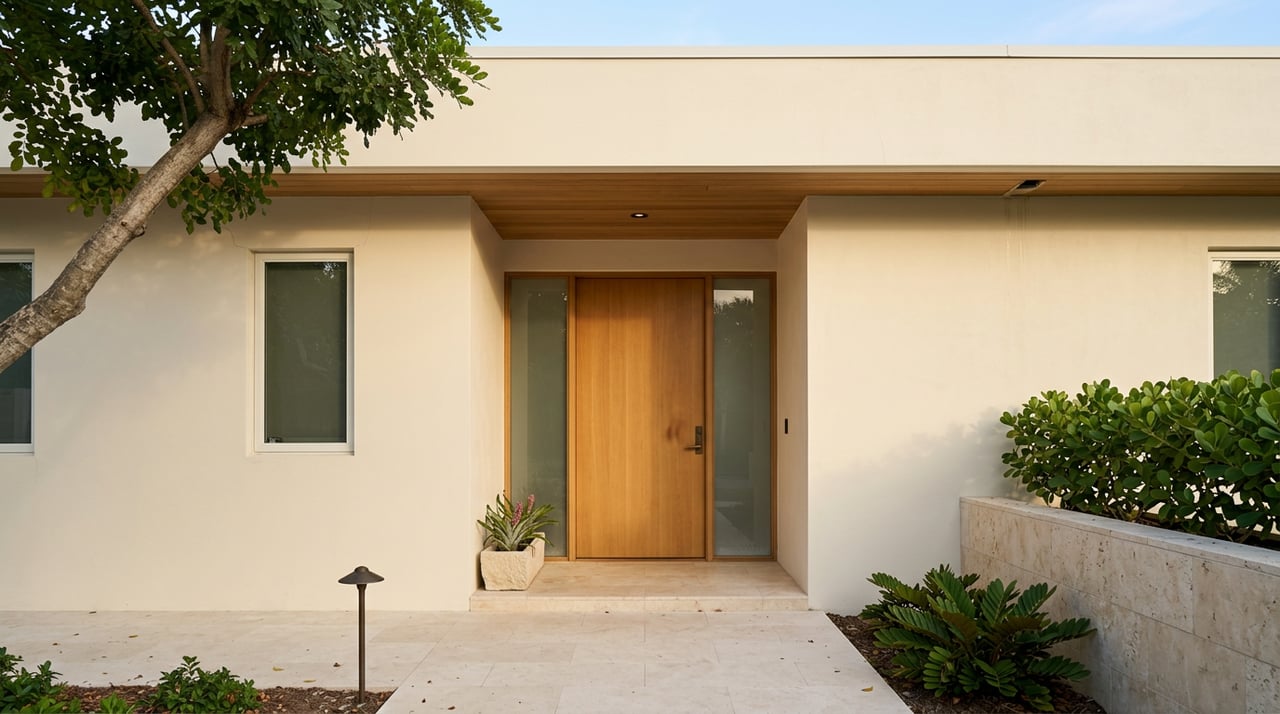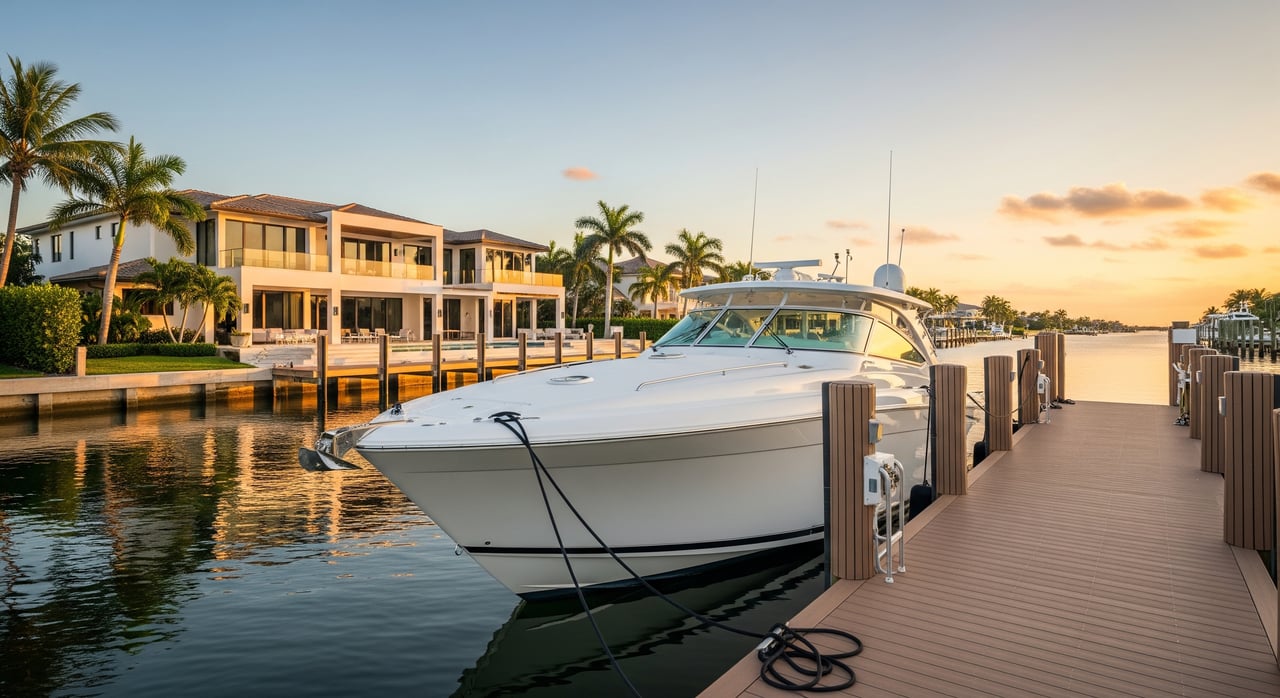
Imagine stepping from your breakfast table to your helm in minutes, gliding through calm canals toward open Gulf waters. If you love boating, Marco Island packs a rare mix of daily convenience and big-water adventure. You want the lifestyle to be as seamless as the ride: the right dock, quick routes, safe navigation, and a community that understands your passion. This guide walks you through what life truly looks like on the water here, from everyday runs and favorite destinations to slips, permits, tides, and storm prep. Let’s dive in.
What waterfront life looks like
Waterfront homes and condos on Marco Island span Gulf-front, bay or lagoon-front, canal-front, and riverfront settings. Many condos also offer deeded or community boat slips, which simplifies daily launch and return. Your routines might include morning canal cruises, day trips to barrier islands for shelling, and sunset runs into Smokehouse Bay or out a nearby pass.
Seasonality matters. Winter and spring bring more boats on the water and higher demand at marinas and restaurants. Summer is quieter, though afternoon thunderstorms are common and many owners schedule maintenance or storm prep. For dining and marina options, explore local listings from the Marco Island Chamber of Commerce.
Where you’ll boat from Marco Island
Canals and inland waterways
Protected canals make short, smooth rides from backyard docks to larger bays and passes. Small to midsize craft can navigate easily, and no-wake zones help keep these corridors calm. You’ll enjoy quick launch-and-return trips that fit neatly into a busy day.
Smokehouse Bay and the Marco River
These waters are popular for dining-by-boat, fishing, and social cruising. From here, you can reach the Gulf on a straightforward route and return before sunset. Expect more activity in peak season and plan ahead for transient tie-ups.
Big Marco Pass and barrier islands
From Marco Island, you can run out a pass and reach sandbars and barrier islands favored for shelling and picnics. Always verify the latest channel markers and depths before you go. Rely on up-to-date NOAA nautical charts for safe transits.
Ten Thousand Islands and Everglades edge
Day trips into the Ten Thousand Islands deliver winding mangrove passages, wildlife viewing, and serene beaches. Portions of this area fall within Everglades National Park, which has site-specific use rules. Review current guidance on access, anchoring, and permits from the National Park Service for Everglades National Park.
Dockage and storage options
Deeded and community slips
Many single-family homes and condos offer deeded or community slips. If regular access is critical, confirm slip size, power, water, and any rental or usage rules before you buy. In peak season, on-island transient slips can be limited.
Private docks and permits
If you plan to add or modify a dock or lift, you’ll need to follow local permitting. Check Collier County rules for seawalls, pilings, and slips and confirm recorded history on existing structures. Start with the Collier County official site and the Florida Department of Environmental Protection for submerged lands and coastal permitting guidance.
Mooring and anchoring
Shallow flats and tidal swings make anchoring skills essential. Designated zones and protected areas have specific restrictions. For safe and lawful boating, review rules, manatee zones, and local speed restrictions with the Florida Fish and Wildlife Conservation Commission.
Dry storage and haul-out
Dry-stack storage on the island can be limited, and high season often brings waitlists. Larger haul-out and repair yards are commonly used in nearby Naples or on the mainland. Book early if you plan major work during winter or a hurricane window.
Public ramps and launches
County-run ramps support trailered boats and day trips. Locations, fees, and hours can change, so verify details on the Collier County official site.
Fuel, service, and maintenance
Fuel docks and supplies
You’ll find fuel on Marco Island and at nearby mainland marinas. Many owners use a mix of on-island docks and larger mainland facilities depending on vessel size and range. Stock routine parts locally and order specialty items ahead of holiday weekends.
Service schedules and backlogs
Regular maintenance keeps you on the water and reduces emergency calls in peak season. Schedule service early, especially for winter work or pre-storm checks. For larger refits, plan around yard availability in Naples or Fort Myers.
Navigation, tides, and safety
Local rules and no-wake zones
State boating laws apply, and you’ll encounter slow-speed and manatee protection zones in canals and near marinas. Keep safety gear up to date and know operator requirements. For regulations and zone maps, consult the Florida Fish and Wildlife Conservation Commission’s boating resources.
Tides, shoals, and charts
Tidal range is modest, but sandbars and shifting shoals are part of local life. Check tide tables before shallow runs and study the latest markers. Use NOAA Tides and Currents along with NOAA nautical charts to plan safe routes.
Weather and hurricanes
Hurricane season runs from June 1 to November 30. Have a clear plan to haul out, secure in a hurricane pen, or reinforce moorings, and reserve space early if a storm is forecast. Track advisories with the National Hurricane Center and review detailed preparation steps with BoatUS hurricane preparedness guidance.
Insurance and liability
Consider boat insurance with hull coverage that aligns with your usage and storage plan. Waterfront homeowners should review flood insurance requirements and understand whether policies cover dock damage. If you lease a slip, read the marina’s contract for liability and storm procedures.
Safety basics
Carry required safety gear and ensure all operators understand local rules. Life jackets, communication devices, and a float plan can make a real difference. For education and resources, visit the U.S. Coast Guard’s Recreational Boating Safety site.
Lifestyle: dining, community, and fishing
Boat-access dining
Dock-and-dine is a favorite pastime. Many waterfront spots maintain transient tie-ups, though policies vary by venue and season. For ideas and up-to-date listings, browse the Marco Island Chamber’s dining and marina resources.
Social boating and events
Marinas, yacht clubs, and condo communities often host seasonal events, fishing tournaments, and group cruises. You’ll find a friendly, active community on the docks. Expect more gatherings during winter and spring when many seasonal residents are in town.
Fishing, shelling, and wildlife
Inshore and nearshore fishing is strong for species like snook, redfish, and trout, with seasonal runs for Spanish mackerel. Always check current seasons and protected-species guidance with the Florida Fish and Wildlife Conservation Commission, and follow park rules within Everglades National Park. Shelling is excellent on nearby islands; respect wildlife and posted regulations.
Early-planning checklist for boater-buyers
- Confirm whether the property includes a deeded slip, community slip access, or space for a private dock; review HOA or condo dock rules.
- Verify water depths at the dock and check for shoaling trends using NOAA nautical charts; ask local experts for recent soundings.
- Review recorded permits and seawall/dock history and consult the Collier County official site and Florida DEP for future dock or lift work.
- Ask marinas about transient slips, annual slip costs, and hurricane haul-out options well before peak season.
- Map nearby fuel docks, service technicians, and supply stores, and plan for specialty parts lead times.
- Build a hurricane plan that includes haul-out reservations or mooring steps and confirm insurance coverage details; use BoatUS hurricane preparedness for a planning framework.
Why work with The Sprigg Group
Waterfront decisions are about more than bedrooms and views. You need precise answers on slips, depths, routes, and marina logistics. Based at Rose Marina on Marco Island, The Sprigg Group blends residential waterfront brokerage with yacht and slip sales through SYC Yachts, so you get one team focused on the full picture. From curated inventory and introductions to marina managers to remote-friendly closing support, you get a concierge experience tailored to how you boat.
Ready to explore homes, condos, or high-value slips that fit your vessel and lifestyle? Create Your Paradise with The Sprigg Group.
FAQs
Can I keep a large boat at a private dock on Marco Island?
- It depends on dock size, local depths, and HOA or condo rules; very large yachts often require marina slips or mainland facilities.
How fast can I reach the Gulf from a typical Marco Island dock?
- Many routes take minutes to under an hour depending on location, boat speed, tide, and channel rules; plan with NOAA nautical charts.
Are public ramps and transient slips crowded during peak season?
- Winter and spring are busier; reserve where possible and confirm hours and fees on the Collier County official site.
What ongoing boating costs should I expect beyond the boat purchase?
- Budget for slip fees or dock upkeep, fuel, insurance, registration, routine maintenance, and hurricane prep or haul-out services.
What are the biggest risks for boat owners around Marco Island?
- Weather, shallow shoals, and seasonal crowding; reduce risk by using NOAA Tides and Currents, following FWC boating rules, and preparing early during hurricane season with the National Hurricane Center.